作者 劳尔 | 2026年7月16日 | A1 英语入门
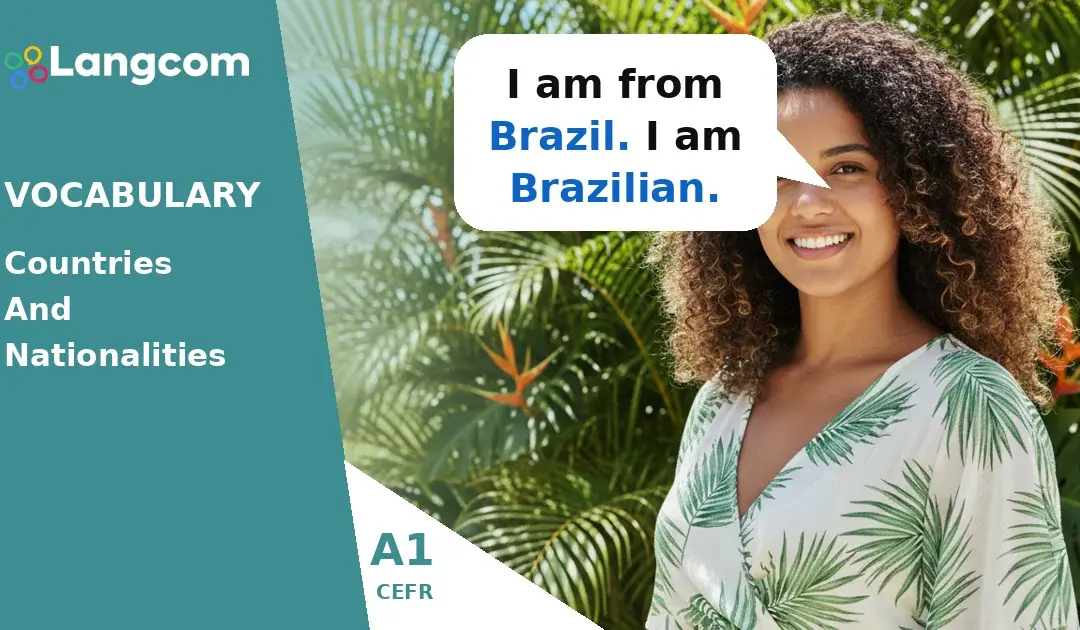
Countries are places where people live, and nationalities describe where a person is from. Learning these words helps you talk about yourself and others. For example, Spain is a country, and Spanish is the nationality. We always use a capital letter for both countries...

作者 劳尔 | 2026年7月16日 | A2 基础英语
To ask questions about completed actions in the past, you need the auxiliary verb did. This is the most important rule for Past Simple questions in English. We use did with all subjects (I, you, he, she, it, we, they). After did and the subject, the main verb always...

作者 劳尔 | 2026年7月16日 | A2 基础英语
To make a sentence negative in the past simple, you use the auxiliary verb did with not, followed by the base form of the main verb. This means the main verb does not change its form. The most common way to say this is using the contraction didn’t. For example,...
作者 劳尔 | 2026年7月16日 | A2 基础英语
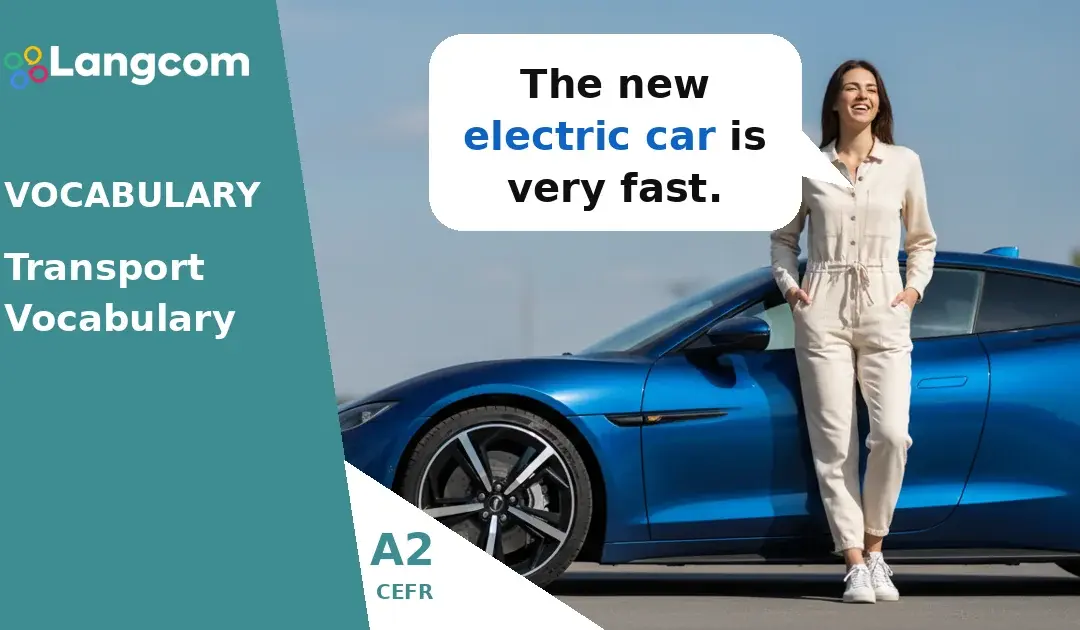
Adjectives help us describe things, including different types of transport. When you talk about a car, a bus, or a train, you can use adjectives to explain how it feels, how it moves, or its condition. For example, you can say a train is fast or a bus is crowded....
作者 劳尔 | 2026年7月16日 | A2 基础英语
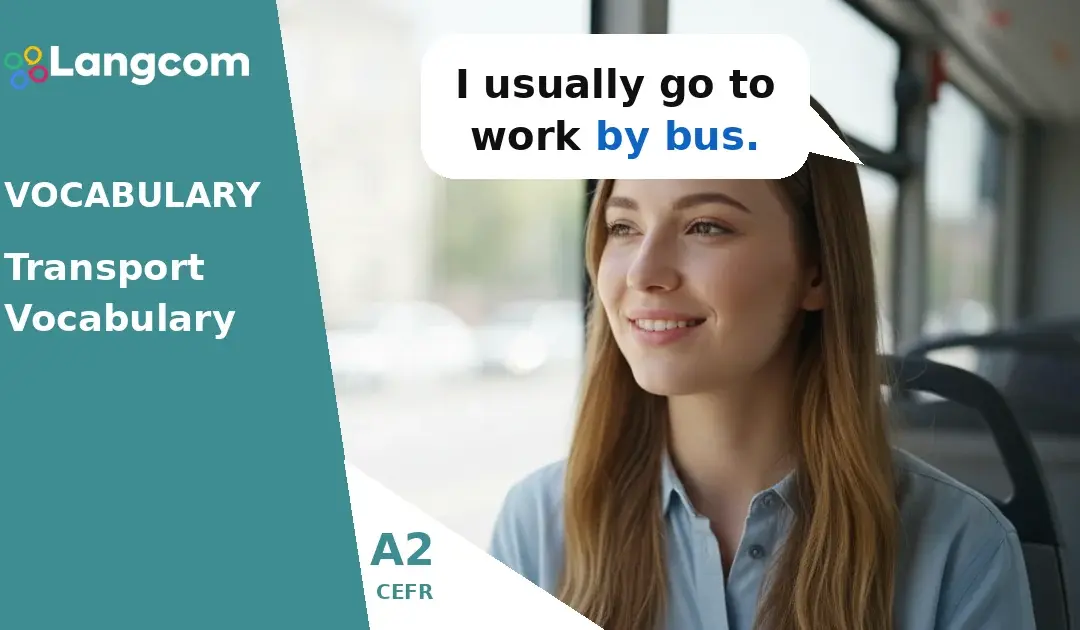
Learning transport vocabulary helps you talk about how you travel every day and when you go on holiday. We use words like car, bus, train, and plane to name different ways to move from one place to another. It’s important to know these words to ask for...
作者 劳尔 | 2026年7月16日 | A1 英语入门
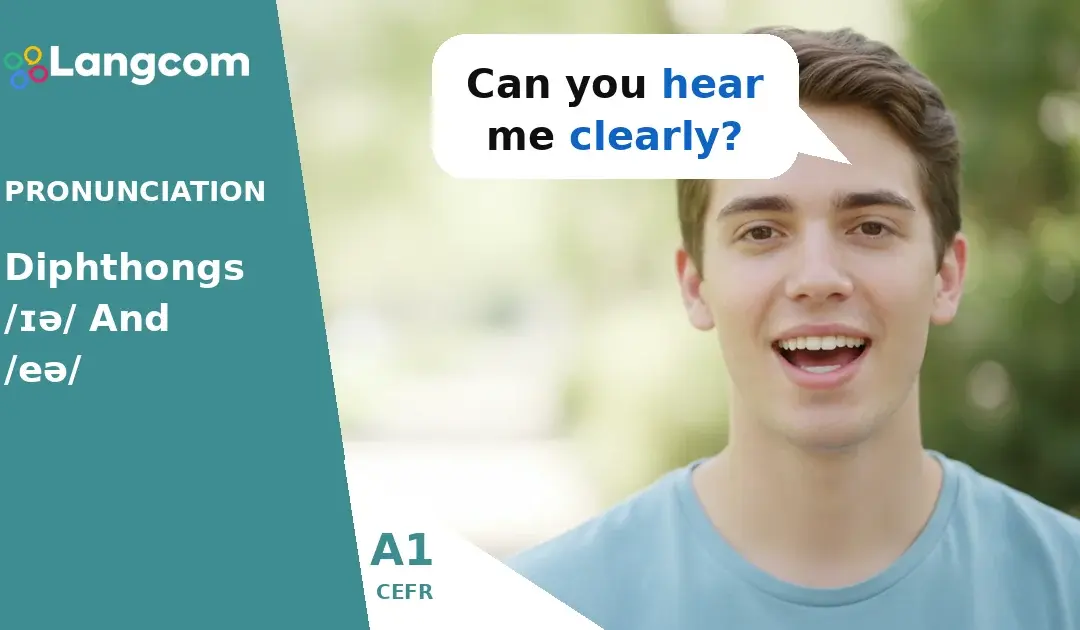
Diphthongs are special vowel sounds that combine two vowel sounds into one smooth sound. For A1 learners, understanding the English diphthongs /ɪə/ (as in here) and /eə/ (as in bear) is important for clear pronunciation. These sounds are not single vowels but a glide...
