
作者 劳尔 | 2026年8月2日 | B2 First (FCE)
Collocations are natural pairs or groups of words that often go together in English. Learning them helps you sound more fluent and native-like. Instead of choosing individual words, you learn common combinations, like make a decision instead of do a decision. These...
作者 劳尔 | 2026年8月2日 | B2 First (FCE)
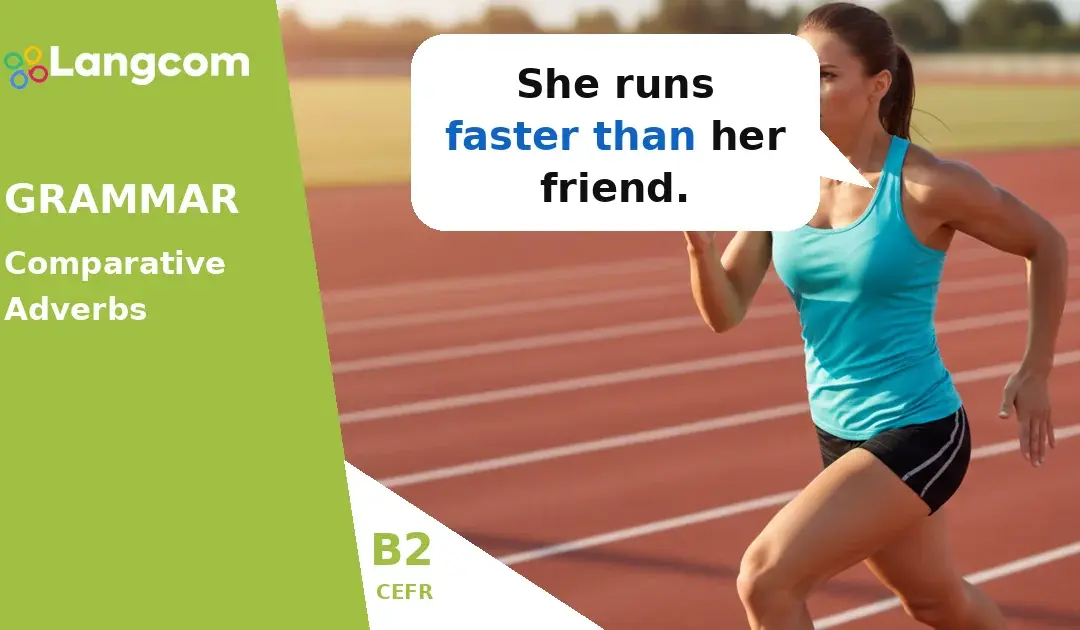
Comparative adverbs help us compare how two actions are performed, showing which action is done to a greater or lesser degree. They describe verbs, telling us how something is done, not what something is like. For most short adverbs (one syllable), we add -er to the...

作者 劳尔 | 2026年8月2日 | B2 First (FCE)
Comparative adjectives help us compare two things, people, or ideas in English. We use them to show differences, stating that one thing has more of a certain quality than another. The way we form a comparative adjective depends on its length. For short adjectives (one...
作者 劳尔 | 2026年8月2日 | B2 First (FCE)
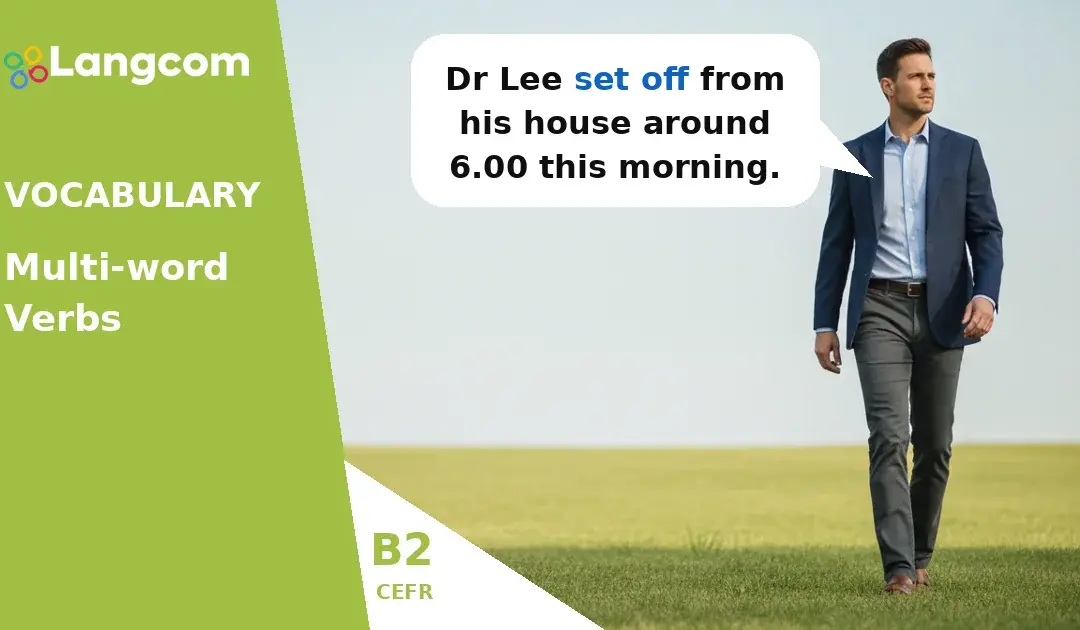
Phrasal verbs are combinations of a verb and one or two particles (prepositions or adverbs) that create a new meaning, often different from the original verb. For B2 English learners, especially those preparing for the B2 First (FCE) exam, mastering travel phrasal...
作者 劳尔 | 2026年8月2日 | B2 First (FCE)
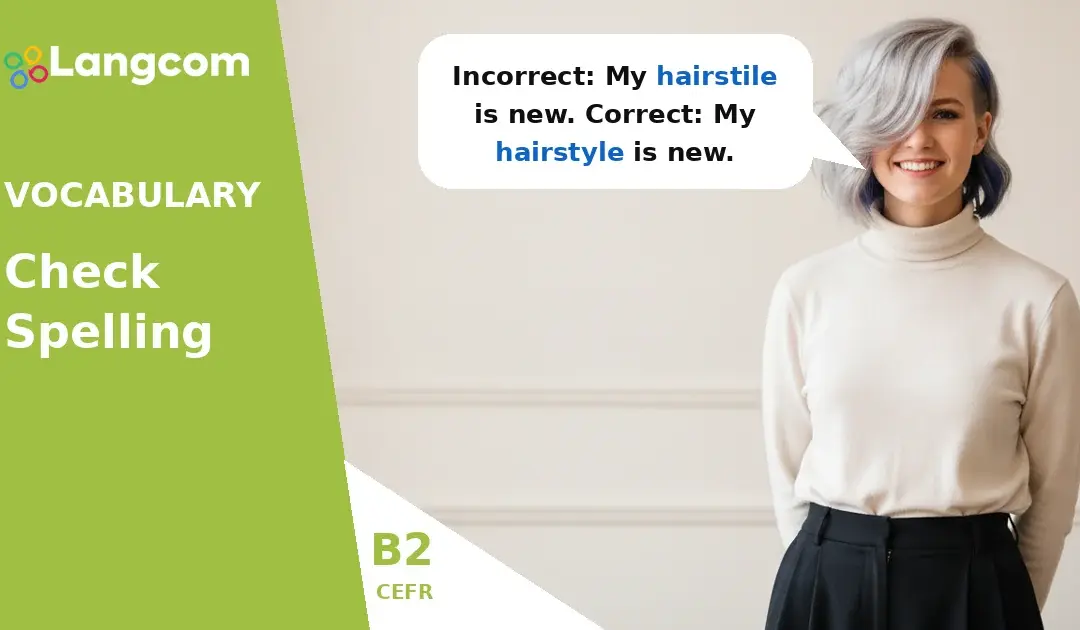
Mastering English spelling is crucial for your B2 First (FCE) exam success. Good spelling shows accuracy and clarity in your writing, which is vital for achieving a high score, especially in tasks like writing an essay, a review, or an email. Many common errors...
