作者 劳尔 | 2026年8月4日 | A2 Key (KET)
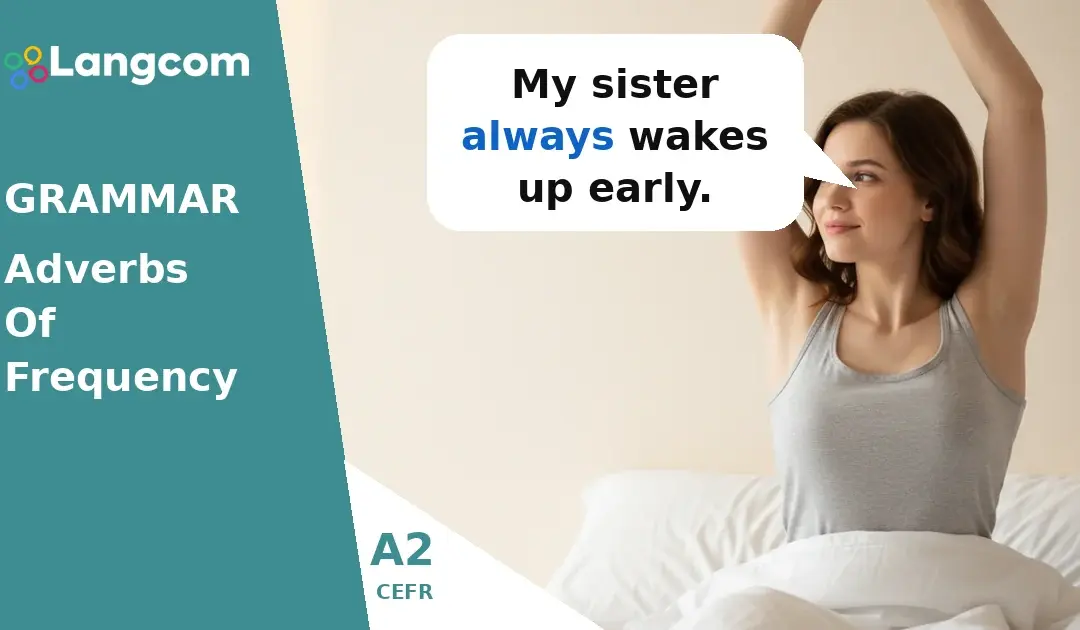
Adverbs of frequency tell us how often something happens. These important words, such as always, usually, often, sometimes, hardly ever, and never, help us describe habits and routines in English. For most verbs, the adverb of frequency comes before the main verb. For...
作者 劳尔 | 2026年8月4日 | A2 Key (KET)
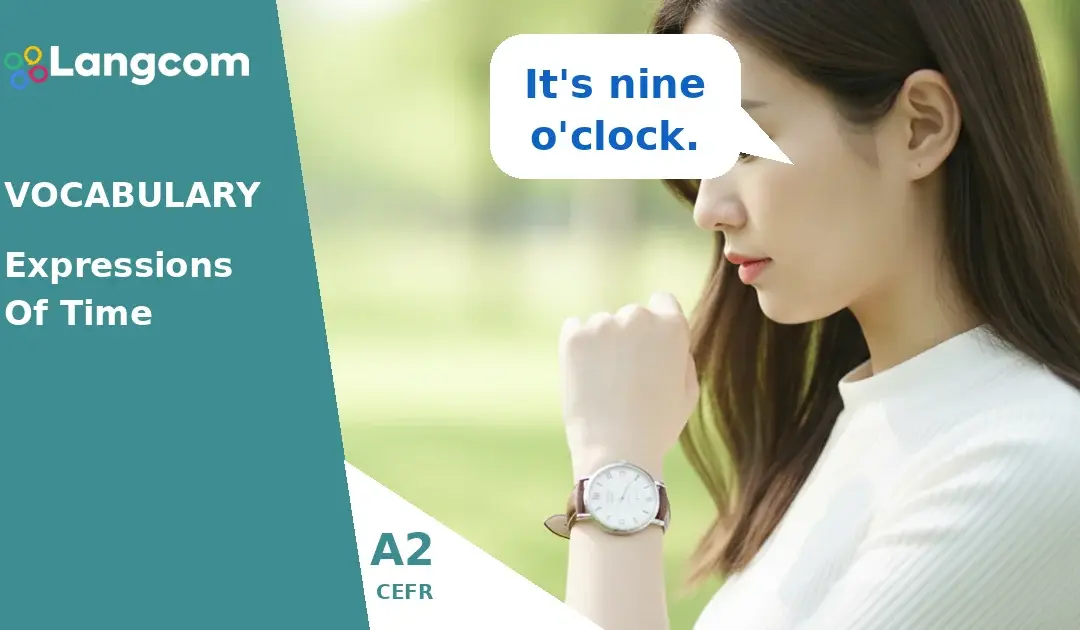
To tell the time in English, you can use two main ways: the ‘traditional’ way with words like past and to, or the ‘digital’ way using numbers. The traditional method is common in spoken English and uses a 12-hour clock. For example, It’s...

作者 劳尔 | 2026年8月4日 | A2 Key (KET)
The Present Simple tense describes actions that happen regularly, facts, or general truths. It is a core tense for A2 English learners to talk about daily life. We use it for routines, like I wake up at 7 AM every day, and for habits, such as She drinks coffee in the...
作者 劳尔 | 2026年8月4日 | A2 Key (KET)
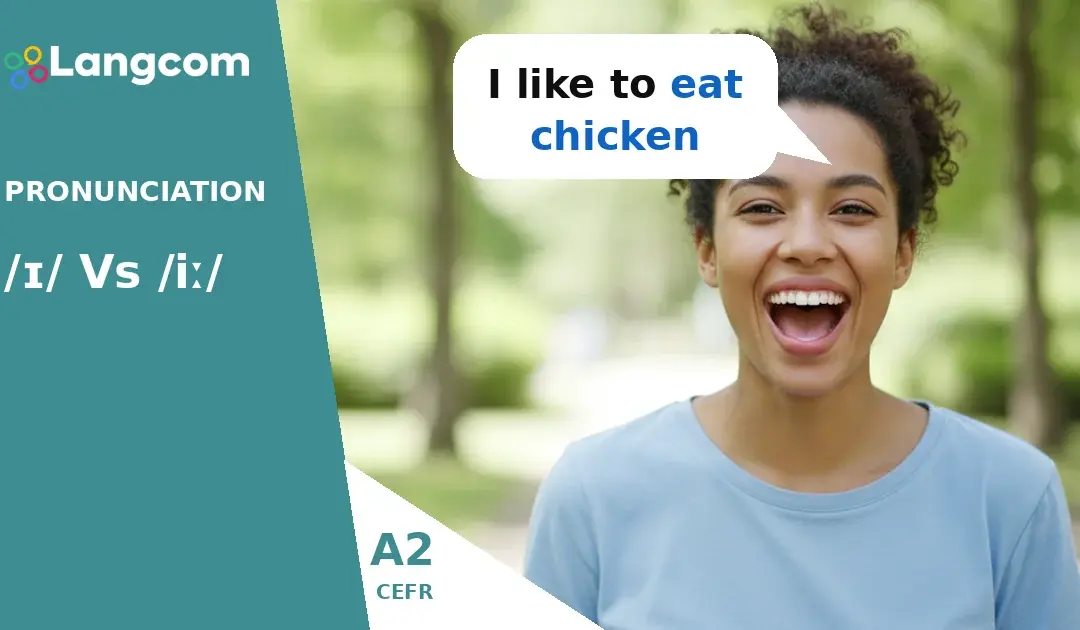
The English sounds /ɪ/ (short ‘i’) and /iː/ (long ‘ee’) are different and important for clear communication. The /ɪ/ sound is short and relaxed, like the ‘i’ in chicken or sit. Your mouth is slightly open, and your tongue is relaxed...
作者 劳尔 | 2026年8月4日 | A2 Key (KET)
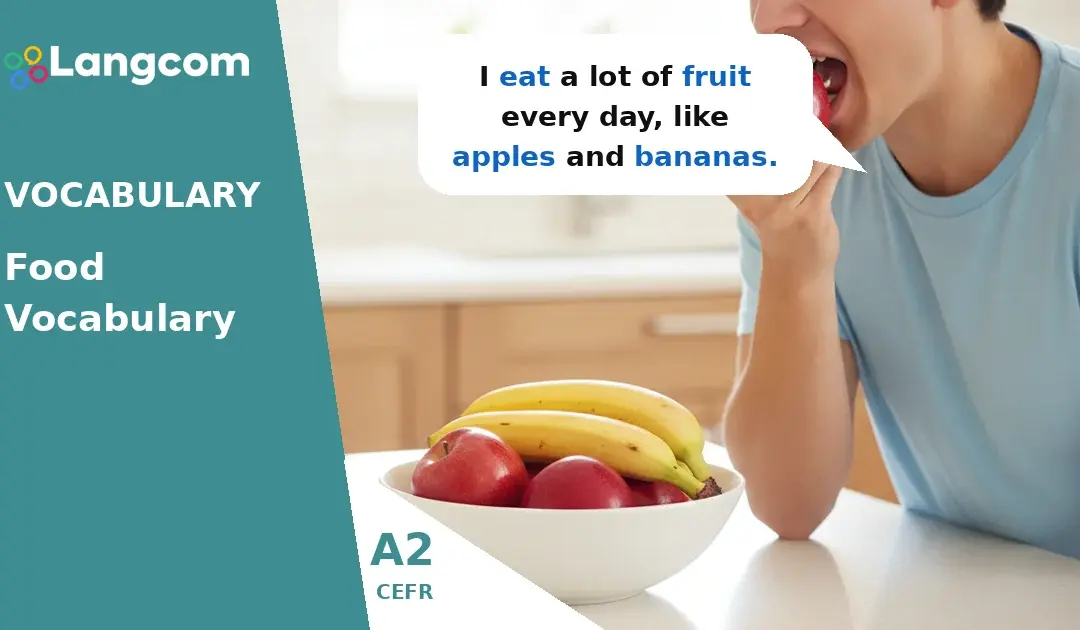
Understanding food groups helps you talk about what you eat, shop for food, and understand healthy diets in English. These groups categorize different types of food, like fruit, vegetables, dairy products, and meat. Learning these words is important for daily...
作者 劳尔 | 2026年8月4日 | B2 First (FCE)
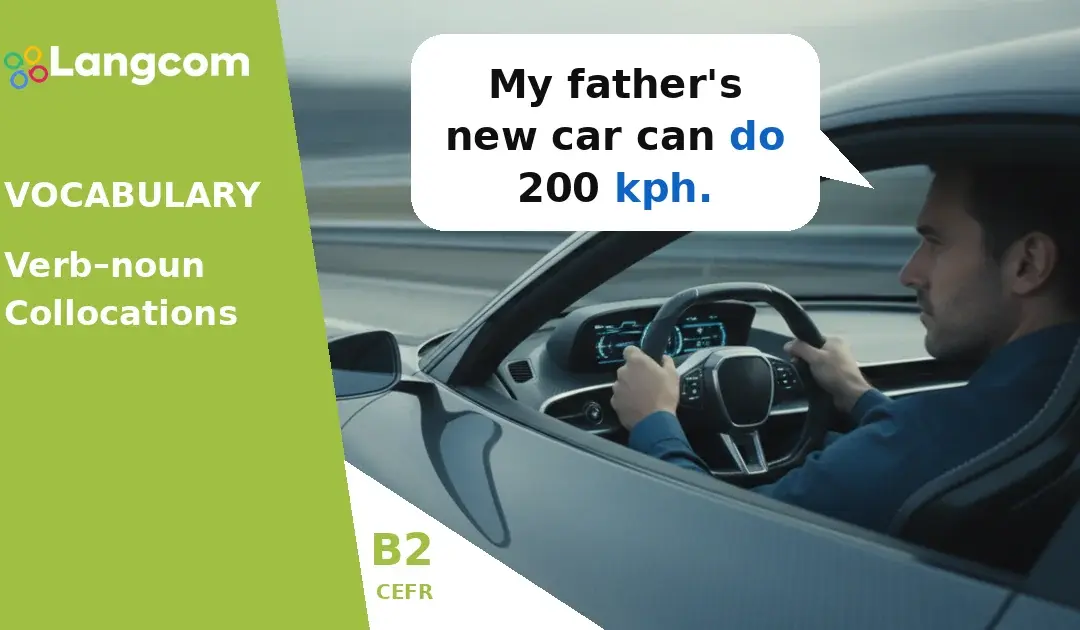
Verb-noun collocations are natural partnerships between a verb and a noun that native English speakers commonly use. They are not just any combination of words; they are specific pairs that sound ‘right’ together. For example, we say make a decision, not...
