作者 劳尔 | 2026年8月5日 | 儿童英语预备A1级(初级)
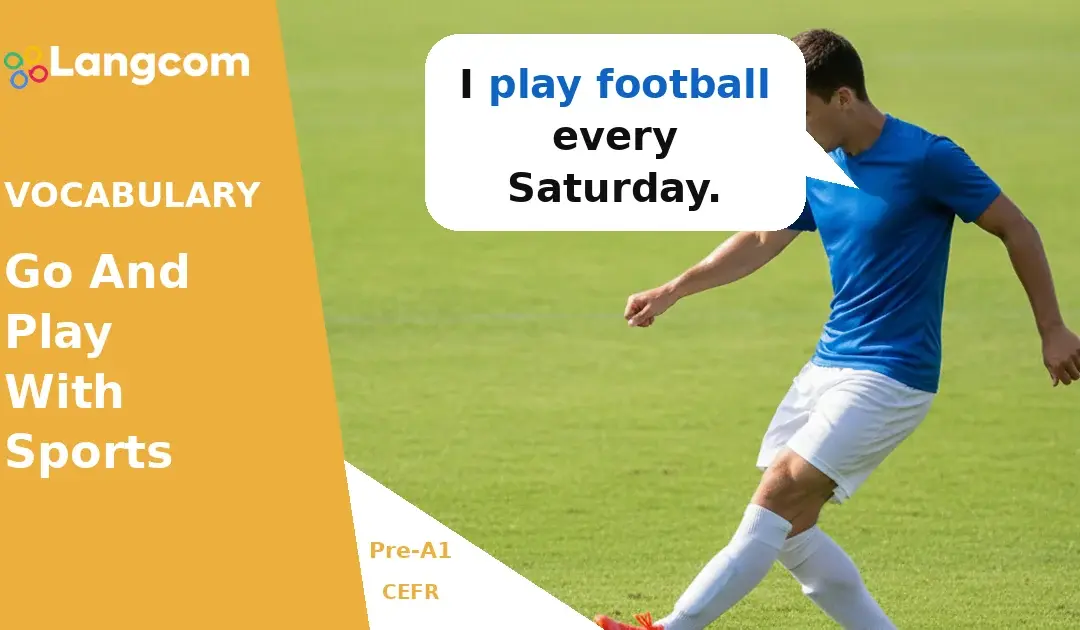
In English, we use two main verbs, play and go, to talk about sports and activities. It is important to choose the correct verb to sound natural. We use play for sports that typically involve a ball, like football or basketball, and for competitive team sports or...
作者 劳尔 | 2026年8月5日 | 儿童英语预备A1级(初级)
Question words help you ask for specific information in English. They are very important for conversations. When you want to know about a person, a thing, a place, or a time, you use a special word at the beginning of your question. For example, you use Who to ask...
作者 劳尔 | 2026年8月4日 | 儿童英语预备A1级(初级)
English has four seasons and specific words for different times of the day. Learning these words helps you talk about weather, activities, and daily routines. The four seasons are spring, summer, autumn (or fall), and winter. Each season brings different weather and...
作者 劳尔 | 2026年8月4日 | 儿童英语预备A1级(初级)
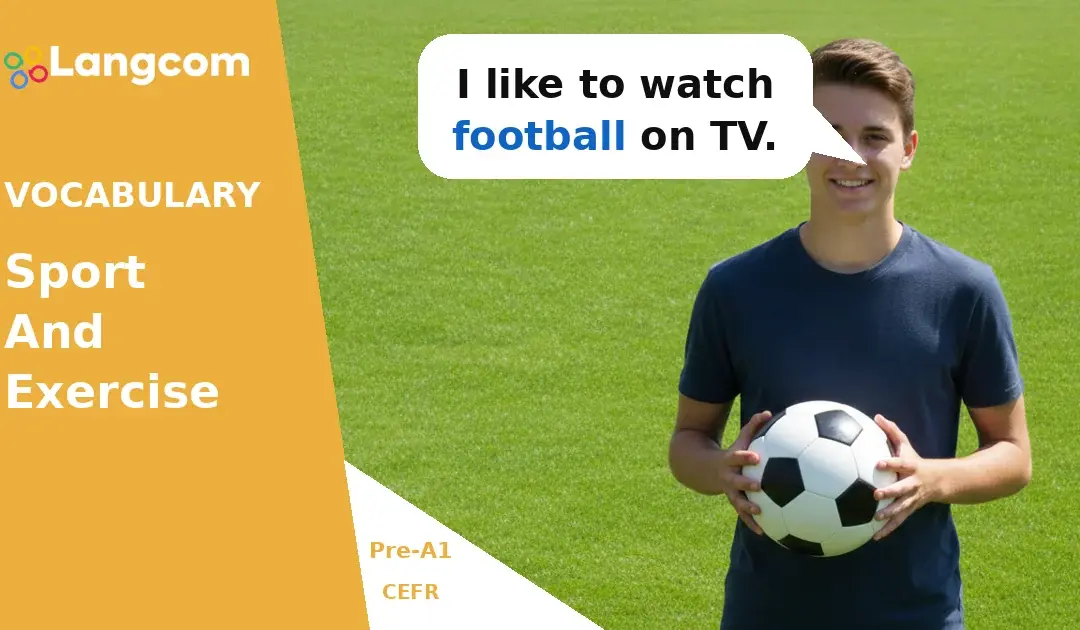
Learning basic sports vocabulary helps you talk about your hobbies and what you like to do in English. Many sports words are easy to understand, and you can use them with simple verbs like play or go. For example, you play football or go swimming. Knowing these words...

作者 劳尔 | 2026年8月3日 | 儿童英语预备A1级(初级)
The Present Simple helps you ask about habits, routines, and facts. We use special words like do and does to make questions. These words come at the beginning of the question. For example, Do you like coffee? or Does he work here? This structure is different from...
作者 劳尔 | 2026年7月22日 | 儿童英语预备A1级(初级)
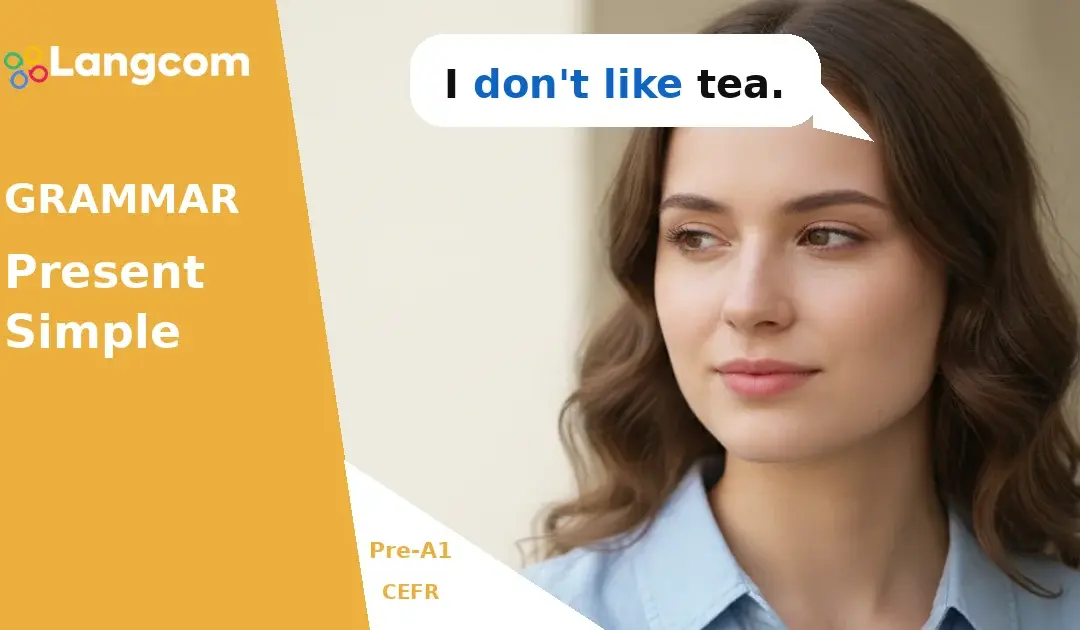
To make a sentence negative in the Present Simple, we use don’t or doesn’t before the main verb. This is how we say that something is not true, or that we do not do an action regularly. We use don’t for subjects like I, you, we, and they. For...
