作者 劳尔 | 2026年9月23日 | A1 儿童英语入门
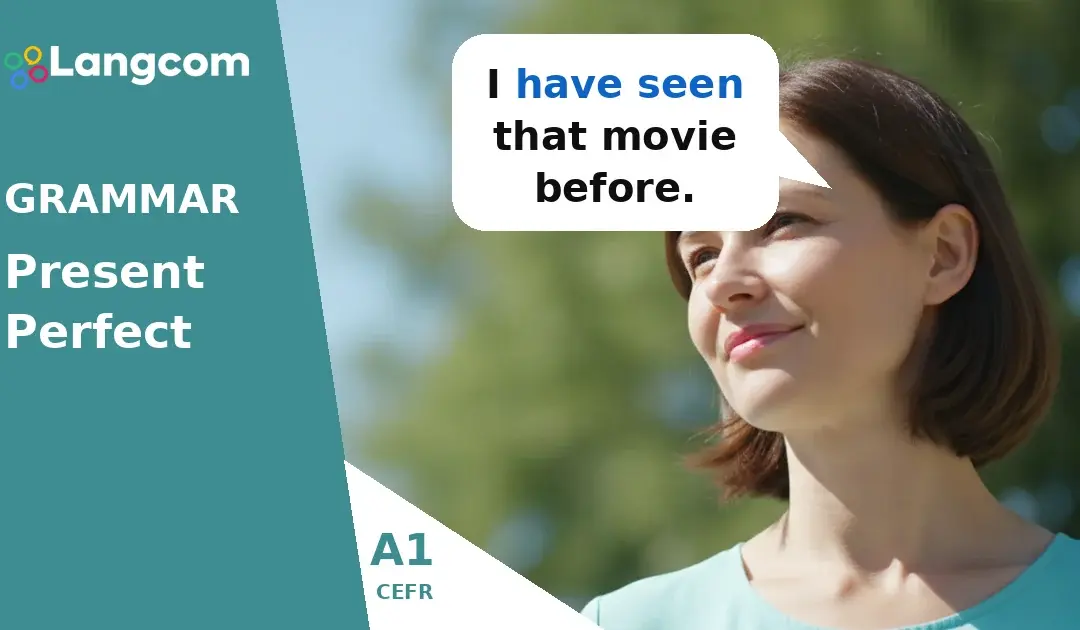
The Present Perfect tense talks about things you have done in your life, but you do not say exactly when. It connects the past to the present, showing that an action or experience from the past is relevant now. We use it to share experiences, like I have visited...
作者 劳尔 | 2026年9月23日 | A1 儿童英语入门
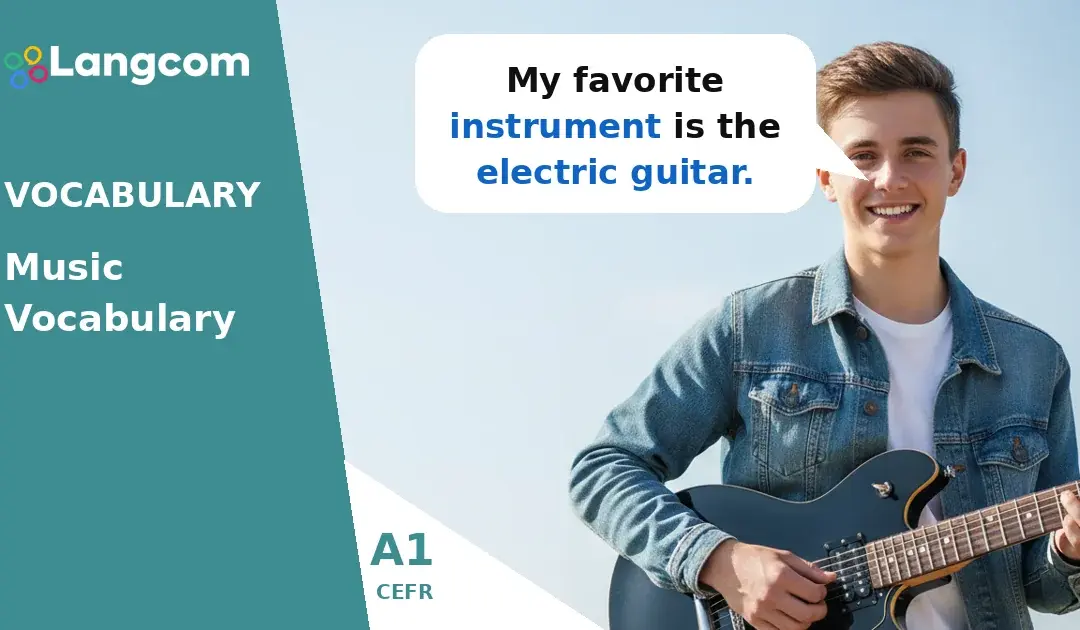
Learning music vocabulary in English helps you talk about your favorite songs, artists, and hobbies. Music is a universal language, and knowing how to describe it in English opens many doors for conversation. You can easily share what musical instruments you like,...
作者 劳尔 | 2026年9月23日 | A1 儿童英语入门
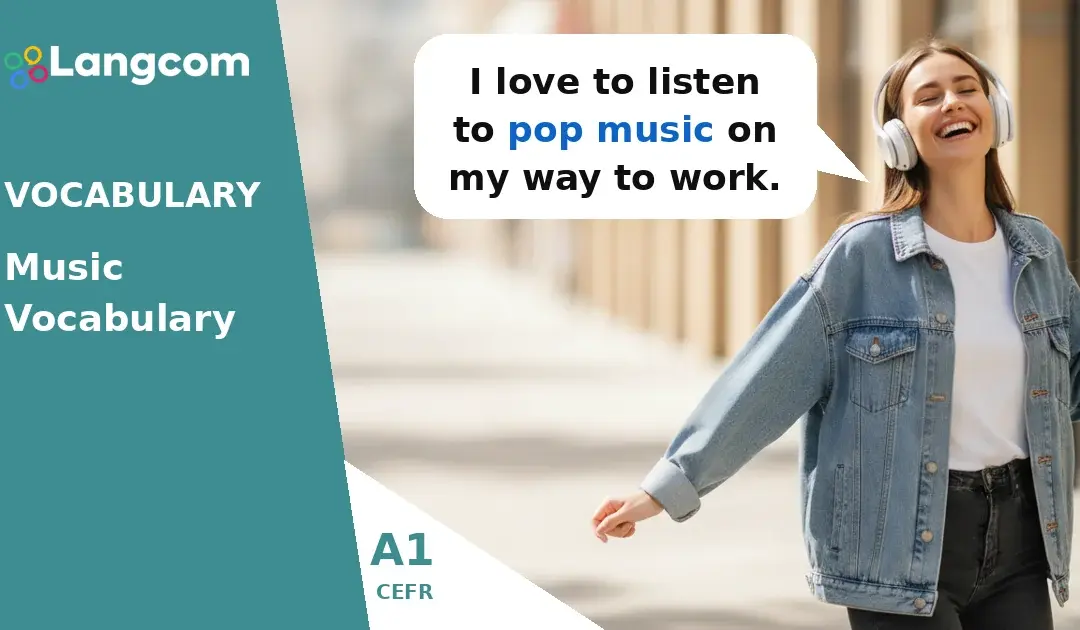
Learning English music vocabulary helps you talk about your favorite songs and instruments. This A1 guide introduces common words for musical instruments and different types of music, also known as genres. You will learn how to name instruments like the guitar, piano,...
作者 劳尔 | 2026年9月23日 | A1 儿童英语入门
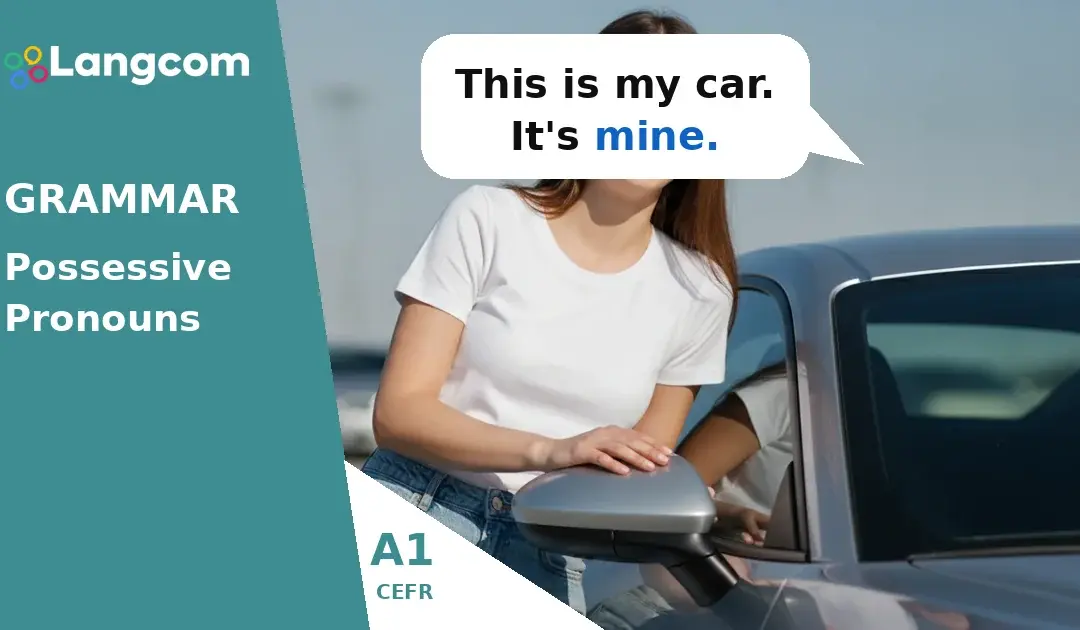
Possessive pronouns show who owns something without needing to say the noun again. They make sentences shorter and clearer. In English, the main possessive pronouns are mine, yours, his, hers, ours, and theirs. For example, instead of saying This is my book and then...
作者 劳尔 | 2026年9月23日 | A1 儿童英语入门
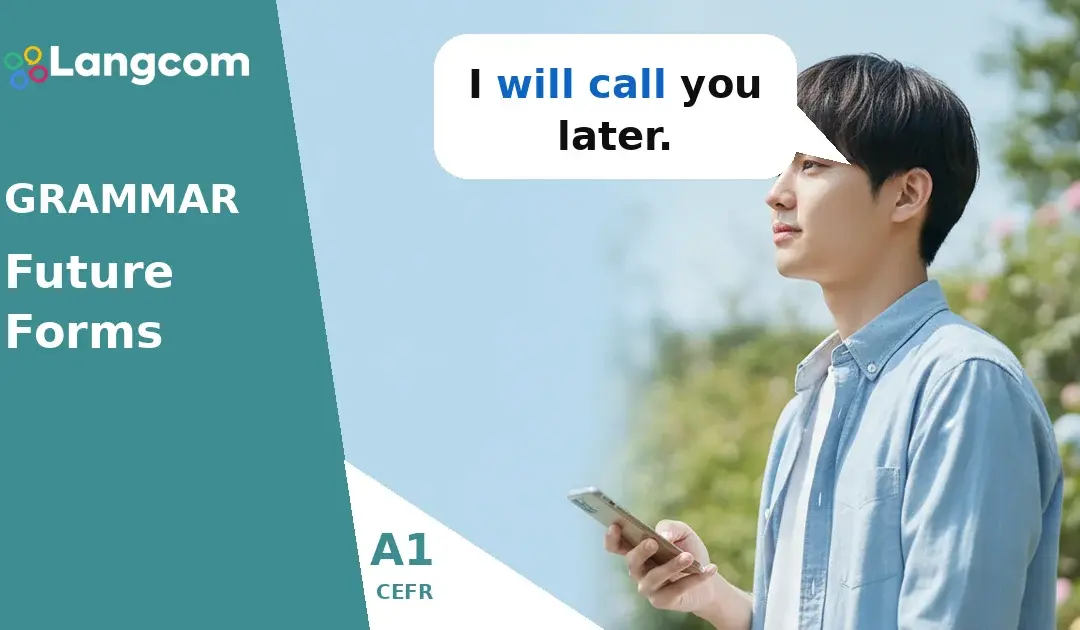
We use will to talk about the future. This means we talk about things that are not happening now and did not happen in the past. It is very useful for making simple predictions about what you think will happen. You can also use will for decisions you make right now,...
作者 劳尔 | 2026年9月23日 | A1 儿童英语入门
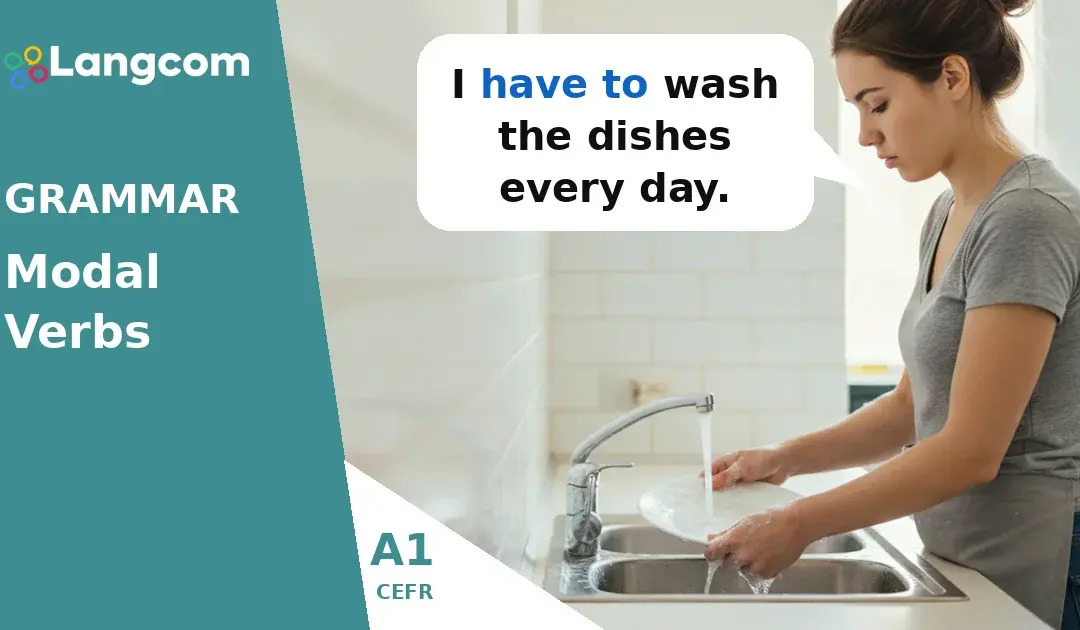
We use have to to talk about rules, obligations, or things that are necessary. It means something is required, like a chore, a school rule, or a work task. You cannot choose not to do it. For example, I have to go to school means school is mandatory for you. We use...
