作者 劳尔 | 2026年8月5日 | B2 First (FCE)
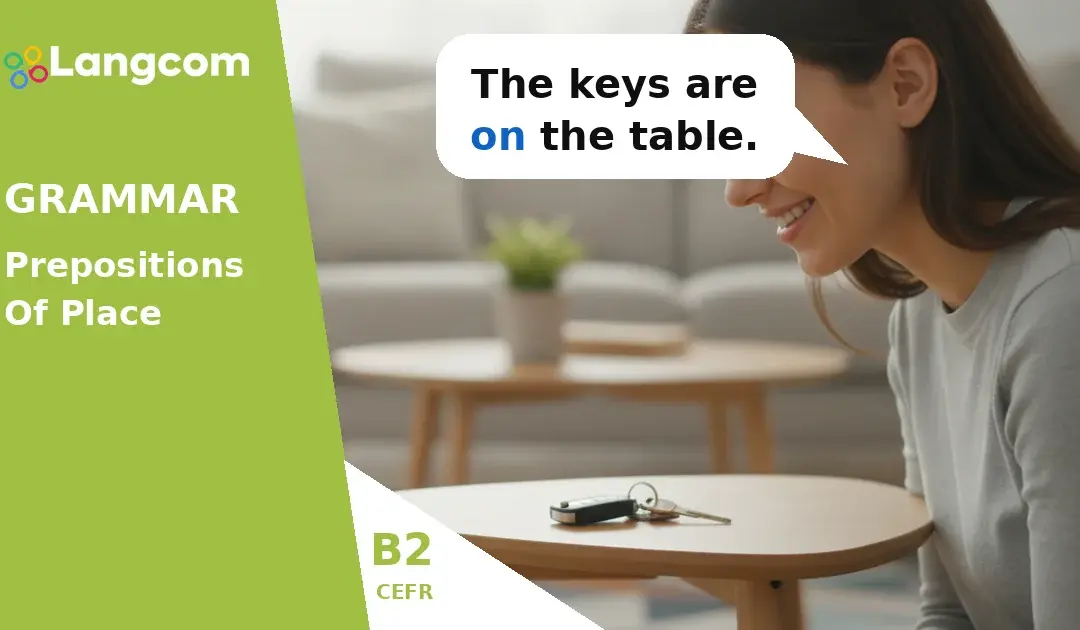
English prepositions of place tell us where something or someone is located. The most common ones are at, in, and on, each with specific uses: at indicates a specific point or general location, in refers to an enclosed space or larger area, and on describes a surface...
作者 劳尔 | 2026年8月5日 | B2 First (FCE)
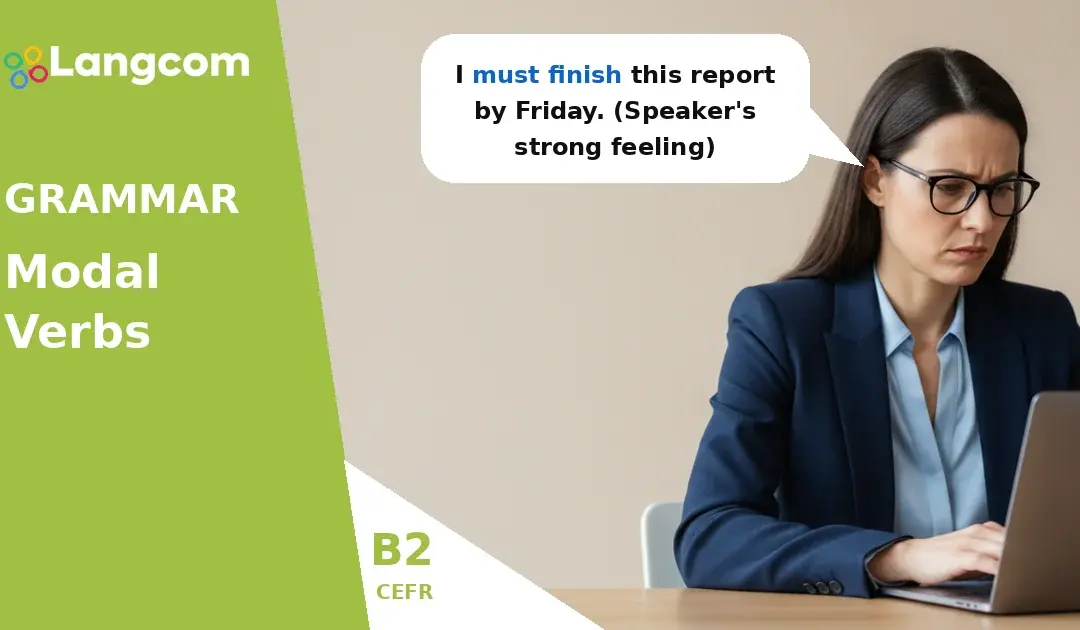
Modal verbs like must, have to, should, and can are essential for expressing obligation, necessity, and permission in English. They help us communicate whether something is required, advisable, or allowed. For B2 learners, understanding the subtle differences between...
作者 劳尔 | 2026年8月5日 | A1 英语入门
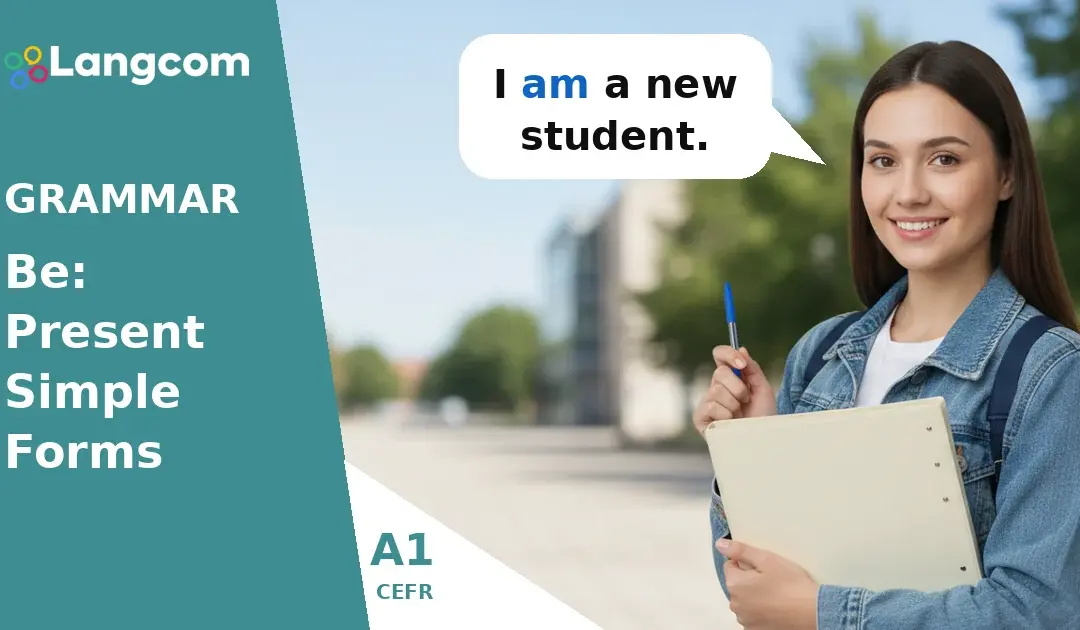
The verb be helps us talk about who we are, where we are, and how we feel. It is one of the most important verbs in English and changes its form depending on the subject. For I, we use am, as in I am a student. For you (singular or plural) and we, we use are, as in...
作者 劳尔 | 2026年8月5日 | A1 英语入门
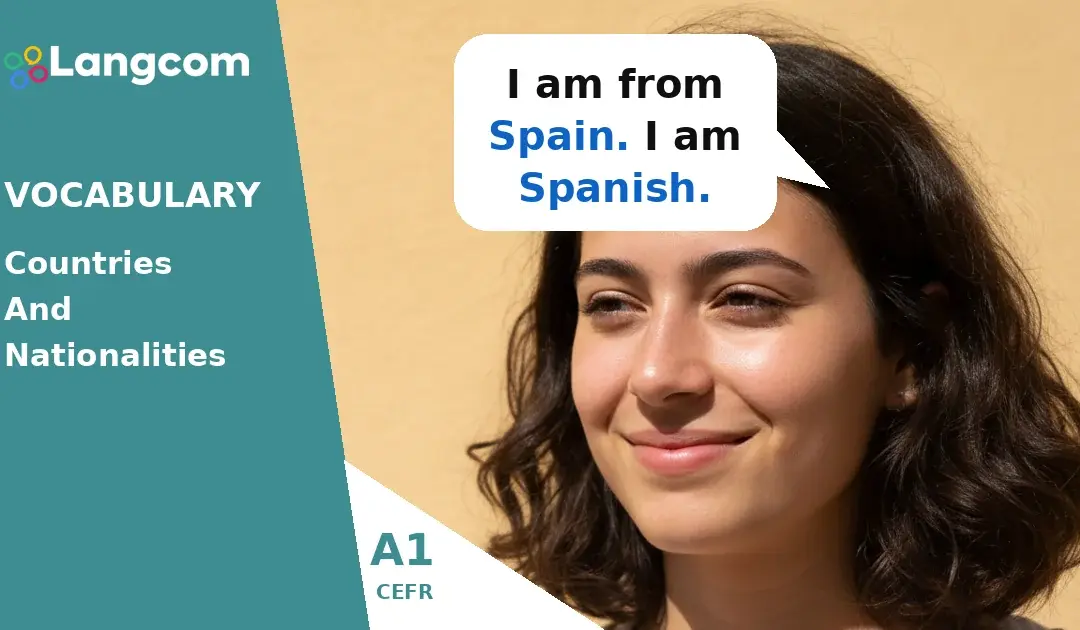
Countries are names for places on a map, like Spain or Japan. Nationalities are words that describe where a person is from, for example, someone from Spain is Spanish. These words help us talk about people’s origins and identities. We use them to introduce...

作者 劳尔 | 2026年8月5日 | A1 英语入门
To make ‘be’ negative for ‘I,’ ‘you,’ and ‘we,’ you add not after the verb. This is a basic rule for A1 English. For ‘I,’ we say I am not or the short form I’m not. For ‘you’ (singular or...
